

Why the Louvre Museum is the Most Tourist-Visited Place in the World?
The Louvre Museum in Paris, France, is an iconic symbol of art, history, and culture that has captured the hearts and imaginations of millions of people from around the world. With its remarkable collection of art spanning centuries, it is no wonder that the Louvre has earned the title of the most tourist-visited place on the planet. In this blog, we will explore the reasons behind the Louvre’s immense popularity, from its rich history and impressive architecture to its world-renowned art collection and global cultural significance.

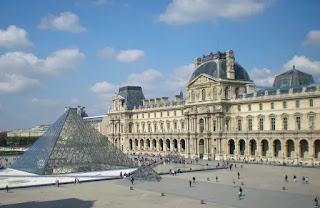
Before delving into the art treasures within, it’s important to acknowledge the Louvre’s historical and architectural significance. The museum is housed in a magnificent palace with a history that stretches back over 800 years. Originally built as a fortress in the late 12th century, the Louvre was transformed into a royal palace in the 16th century, serving as the residence of various French monarchs. Its stunning Renaissance and Classical architecture, with its distinctive glass pyramid entrance designed by architect I. M. Pei, makes it an architectural masterpiece in its own right.
The palace’s grandeur and historical legacy attract millions of visitors who are eager to explore the very walls that have witnessed the rise and fall of French royalty, the tumultuous events of the French Revolution, and the establishment of the French Republic. The blend of architectural styles, from medieval to modern, reflects the evolving nature of the city of Paris and the changing epochs of French history, and this rich tapestry draws visitors who are eager to step back in time and experience the grandeur of the past.
The Louvre is home to one of the most extensive and diverse art collections on Earth. With over 38,000 objects on display, it boasts an unparalleled array of artworks, ranging from ancient Egyptian artifacts to renowned masterpieces from the Renaissance and beyond. Visitors can find sculptures, paintings, decorative arts, and archaeological treasures that span centuries and offer a comprehensive overview of human artistic achievements.
The Mona Lisa, arguably the most famous painting in the world, is a major draw for art enthusiasts. Painted by Leonardo da Vinci in the early 16th century, the enigmatic smile of this masterpiece continues to captivate audiences from all walks of life. Its small size and placement in a controlled environment to preserve its integrity make seeing it in person a unique experience that travelers covet.
Apart from the Mona Lisa, the museum houses other iconic works like the Venus de Milo, the Winged Victory of Samothrace, and Liberty Leading the People. Each of these pieces represents different eras and styles, making the Louvre an artistic journey through time. These masterpieces are the heart of the museum, attracting not only art connoisseurs but also those seeking cultural enrichment.
The Louvre is not just a museum; it’s a symbol of art and culture that transcends borders. Its presence in numerous films, books, and other forms of media has cemented its status as a global cultural icon. The Da Vinci Code, a popular novel by Dan Brown, prominently features the Louvre, drawing readers into the world of art, history, and mystery. Similarly, the Louvre has been showcased in blockbuster movies like “The Pink Panther” and “The Dreamers,” further fueling its reputation as a must-visit destination.
Additionally, the Louvre’s role as a setting for fashion shows, music concerts, and special events elevates its status as a global stage. The museum’s Grand Gallery, with its dramatic Renaissance architecture, has hosted fashion shows for prestigious brands like Louis Vuitton, and its courtyard has seen performances by renowned artists like Beyoncé and Jay-Z. Such events not only attract diverse audiences but also enhance the museum’s appeal by blending art, culture, and entertainment.
The Louvre’s significance extends beyond being a tourist attraction. It is a veritable treasure trove of educational opportunities. The museum’s collection is so vast and diverse that it offers something for everyone, from students and scholars to casual tourists seeking to expand their horizons.
For students of art history, the Louvre provides an unparalleled resource for learning about various art movements, styles, and techniques. Art students can sketch or analyze masterpieces, gaining insights into the creative process of renowned artists. The Louvre also offers guided tours and educational programs, making it an invaluable resource for teachers looking to inspire their students with hands-on experiences of art and history.
Beyond the art, the museum’s historical significance adds depth to the educational experience. Visitors can explore the various sections of the museum dedicated to different historical periods and civilizations, providing a unique perspective on the interconnectedness of world history. The Louvre’s diverse collection includes art and artifacts from around the globe, enabling visitors to gain a deeper understanding of different cultures and societies.
The Louvre’s prime location in the heart of Paris, a city often referred to as the “City of Love” and the “City of Lights,” further contributes to its status as the most tourist-visited place in the world. The museum is conveniently situated near other iconic attractions such as the Eiffel Tower, Notre-Dame Cathedral, and the Champs-Élysées, making it an integral part of any traveler’s itinerary.
Additionally, the Louvre has made strides in enhancing the visitor experience. The construction of the iconic glass pyramid entrance in 1989 marked a turning point, making the museum more accessible and welcoming to the public. The museum has also embraced technology, offering multimedia guides and interactive displays that provide visitors with in-depth information about the artworks and artifacts on display.
The Louvre’s extensive visitor services include restaurants, cafes, and shops, ensuring that guests can make the most of their visit. These amenities allow visitors to recharge and reflect on their experience as they explore the vast museum, which covers more than 72,000 square meters. The Louvre’s commitment to ensuring a comfortable and enjoyable visit is yet another reason why it remains a top destination for travelers.
The Louvre’s commitment to preserving and sharing cultural heritage is commendable. It actively engages in restoration and conservation work to protect and maintain its vast collection. The museum’s team of experts works tirelessly to ensure that these precious artworks and artifacts endure for future generations to appreciate.
The Louvre also collaborates with other institutions, lending its masterpieces to exhibitions around the world. This commitment to sharing its treasures further solidifies the museum’s global influence. Through these exhibitions, the Louvre brings a taste of its rich collection to people who may not have the opportunity to visit Paris, thereby extending its cultural impact beyond its physical location.
The Louvre Museum’s status as the most tourist-visited place in the world is a result of its rich history, architectural magnificence, and unparalleled art collection. It serves as a global symbol of culture and heritage, attracting millions of visitors who come to witness the beauty and significance of human creativity throughout history. The museum’s impact extends beyond tourism, as it serves as an educational resource and plays a vital role in preserving and sharing cultural heritage. Its accessible location and commitment to enhancing the visitor experience ensure that it remains an enduring favorite among travelers. The Louvre, in all its grandeur, continues to inspire and captivate people from around the world, making it a true testament to the enduring power of art