

Unraveling the Ancient Marvels and Timeless Legacy of the Nile Civilization
Introduction
The land of pharaohs, pyramids, and a rich tapestry of cultural heritage, Egypt stands as a testament to the endurance of human civilization. Nestled along the banks of the legendary Nile River, this North African nation has a history that stretches back thousands of years, leaving an indelible mark on the world’s cultural, political, and architectural landscape. From the age of the pharaohs to the rise of modern Egypt, the nation has undergone a series of transformations that have shaped its identity and influenced the course of human history. To comprehend Egypt’s journey through time is to unravel the mysteries and marvels that have fascinated historians, archeologists, and travelers for centuries.
The Ancient Egypt: Birth of a Civilization
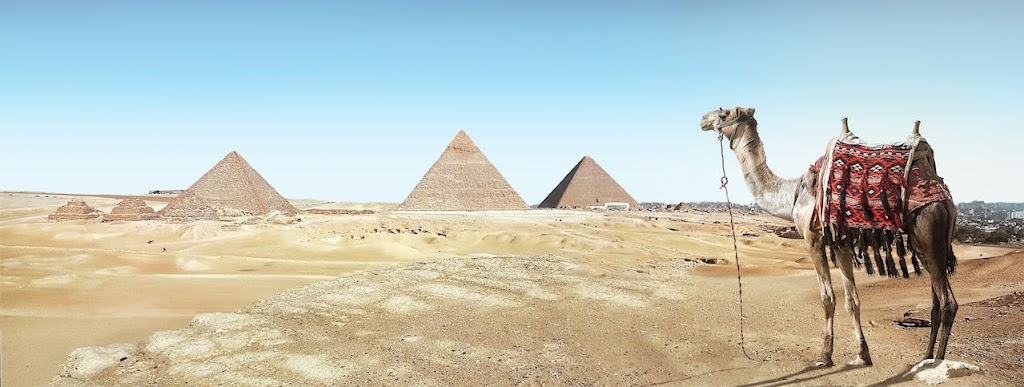
The cradle of one of the world’s earliest civilizations, Ancient Egypt flourished along the banks of the Nile River around 3150 BC, marking the dawn of a sophisticated society characterized by its groundbreaking achievements in architecture, agriculture, art, and governance. The unification of Upper and Lower Egypt under the first pharaoh, Narmer, set the stage for the establishment of the world’s first centralized state. This era witnessed the construction of iconic architectural wonders, such as the Great Pyramid of Giza, the Sphinx, and the Luxor Temple, which continue to astound modern-day visitors and scholars alike.
The Pharaonic Dynasties: A Legacy Carved in Stone
The enduring symbol of ancient Egyptian power, the institution of pharaohs governed the civilization for over three millennia, fostering a complex system of religious beliefs, socio-political structures, and monumental architectural projects. From the Old Kingdom, characterized by the construction of the famous pyramids, to the Middle Kingdom’s period of territorial expansion and flourishing trade, and finally to the New Kingdom’s golden age of prosperity and military might, each dynasty left an indelible mark on Egypt’s rich historical tapestry.
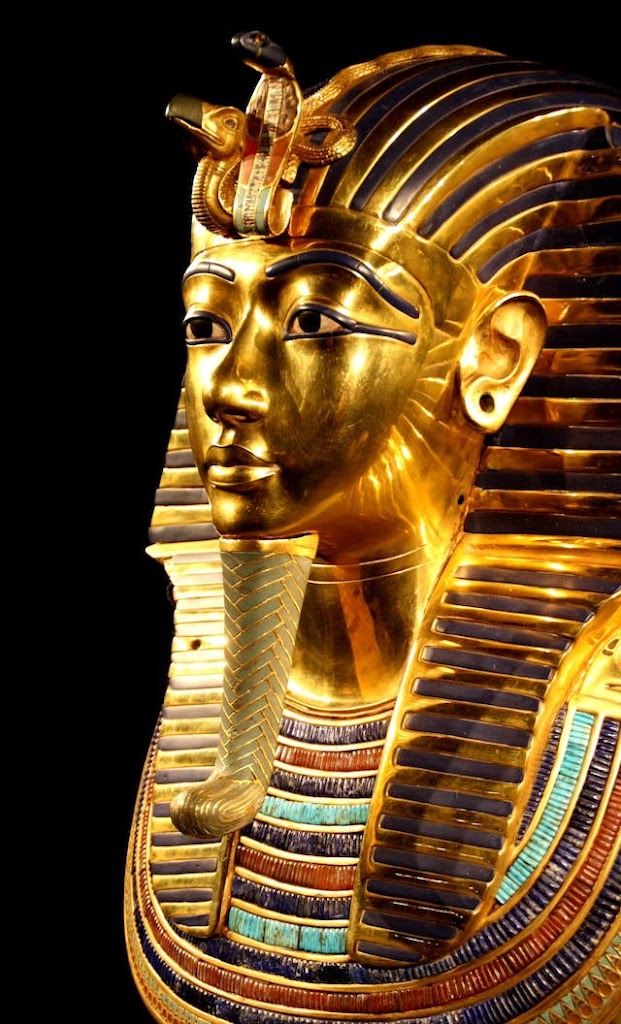
Among the most notable pharaohs, King Tutankhamun, popularly known as King Tut, achieved global fame after the discovery of his remarkably preserved tomb in the Valley of the Kings. The elaborate funerary practices and belief in the afterlife underscored the significance of religious rituals and cultural customs in ancient Egyptian society, leaving behind a treasure trove of artifacts that continue to capture the imagination of historians and archeologists.
The Legacy of Ancient Egyptian Culture: Religion, Art, and Innovation
Central to the identity of ancient Egyptians was their elaborate pantheon of deities and religious practices that shaped every facet of their lives. The worship of gods such as Ra, Isis, Osiris, and Horus underscored their belief in the divine order of the universe, influencing their architectural designs, artistic expressions, and societal norms. The intricate hieroglyphic writing system, developed during this period, stands as a testament to the intellectual prowess and cultural sophistication of the ancient Egyptians, providing modern scholars with valuable insights into their religious beliefs, administrative practices, and historical events.
The remarkable artistic achievements of the ancient Egyptians, spanning from intricately carved reliefs and hieroglyphs to exquisite jewelry and pottery, reflected their deep reverence for beauty and craftsmanship. The enduring legacy of their artistry can be witnessed in the timeless allure of the temples, tombs, and artifacts that have survived the passage of time, providing a window into the cultural and aesthetic sensibilities of this remarkable civilization.
Egyptian Civilization and the Nile: The Lifeline of a Nation
The Nile River, aptly referred to as the “lifeblood of Egypt,” played a pivotal role in shaping the destiny of this ancient civilization. From providing a fertile ecosystem that supported the cultivation of crops to facilitating trade and transportation, the Nile served as the economic and cultural backbone of Egypt, fostering the growth of thriving urban centers and sustaining a flourishing agricultural economy. The annual inundation of the river, which left behind nutrient-rich silt, transformed the arid landscape into a verdant oasis, enabling the ancient Egyptians to develop sophisticated irrigation systems and agricultural practices that ensured their survival and prosperity.
Beyond its practical significance, the Nile River held a profound symbolic and spiritual meaning for the ancient Egyptians, embodying the cycle of life, death, and rebirth. The annual flood was viewed as a divine blessing from the gods, signifying the renewal of the land and the perpetuation of the cosmic order, a belief that found expression in their religious ceremonies, myths, and artistic representations.
The Decline and Legacy of Ancient Egypt
Despite its glorious achievements and enduring legacy, ancient Egypt eventually succumbed to a series of external invasions, internal conflicts, and shifts in regional power dynamics that led to the gradual decline of its political and cultural influence. The conquest of Alexander the Great in 332 BC marked the beginning of a new chapter in Egypt’s history, as the Hellenistic period introduced a blend of Greek and Egyptian cultural influences that shaped the development of the Ptolemaic dynasty.
The Roman conquest of Egypt in 30 BC, following the demise of Cleopatra VII, signaled the end of ancient Egyptian sovereignty and the assimilation of its cultural and administrative traditions into the expanding Roman Empire. Despite the decline of its political prominence, the legacy of ancient Egypt continued to resonate across the annals of history, influencing the art, architecture, and intellectual traditions of subsequent civilizations and leaving an indelible imprint on the collective consciousness of humanity.
The Legacy of Egypt: Influence on Global Civilization
The enduring legacy of ancient Egypt transcends the confines of time and space, permeating various aspects of global civilization and leaving an indelible mark on art, architecture, science, and philosophy. The architectural marvels of the pyramids and temples inspired awe and admiration in later civilizations, serving as a source of inspiration for architectural movements throughout history, including the neoclassical revival during the Renaissance and the resurgence of interest in Egyptian motifs during the 19th-century Egyptomania.
The decipherment of the Rosetta Stone by Jean-François Champollion in 1822 marked a pivotal moment in the understanding of ancient Egyptian hieroglyphs, unlocking a treasure trove of historical and cultural knowledge that contributed to the development of modern Egyptology and archeological research. The influence of ancient Egyptian mathematics, astronomy, and medicine on the intellectual traditions of the Hellenistic world and the subsequent Islamic civilization underscores the enduring impact of their intellectual legacy on the advancement of human knowledge and scientific inquiry.
Modern Egypt: A Tapestry of Tradition and Transformation
The contemporary landscape of Egypt stands as a testament to the nation’s resilience and enduring cultural heritage, encapsulating a rich tapestry of tradition, innovation, and socio-political transformation. The rise of modern Egypt, marked by the emergence of the Muhammad Ali dynasty in the 19th century and the subsequent era of British colonial influence, heralded a period of social and political upheaval that culminated in the quest for national independence and the establishment of the Republic of Egypt in 1953.
The post-independence era witnessed a series of socio-economic reforms, infrastructural development projects, and cultural revitalization initiatives aimed at preserving Egypt’s rich heritage and fostering a modern, progressive society. The preservation of ancient monuments and cultural sites, such as the Abu Simbel temples and the Temple of Karnak, underscored the nation’s commitment to safeguarding its historical legacy while promoting tourism and cultural exchange on a global scale.
Conclusion
The history of Egypt stands as a testament to the enduring spirit of human ingenuity, resilience, and cultural creativity